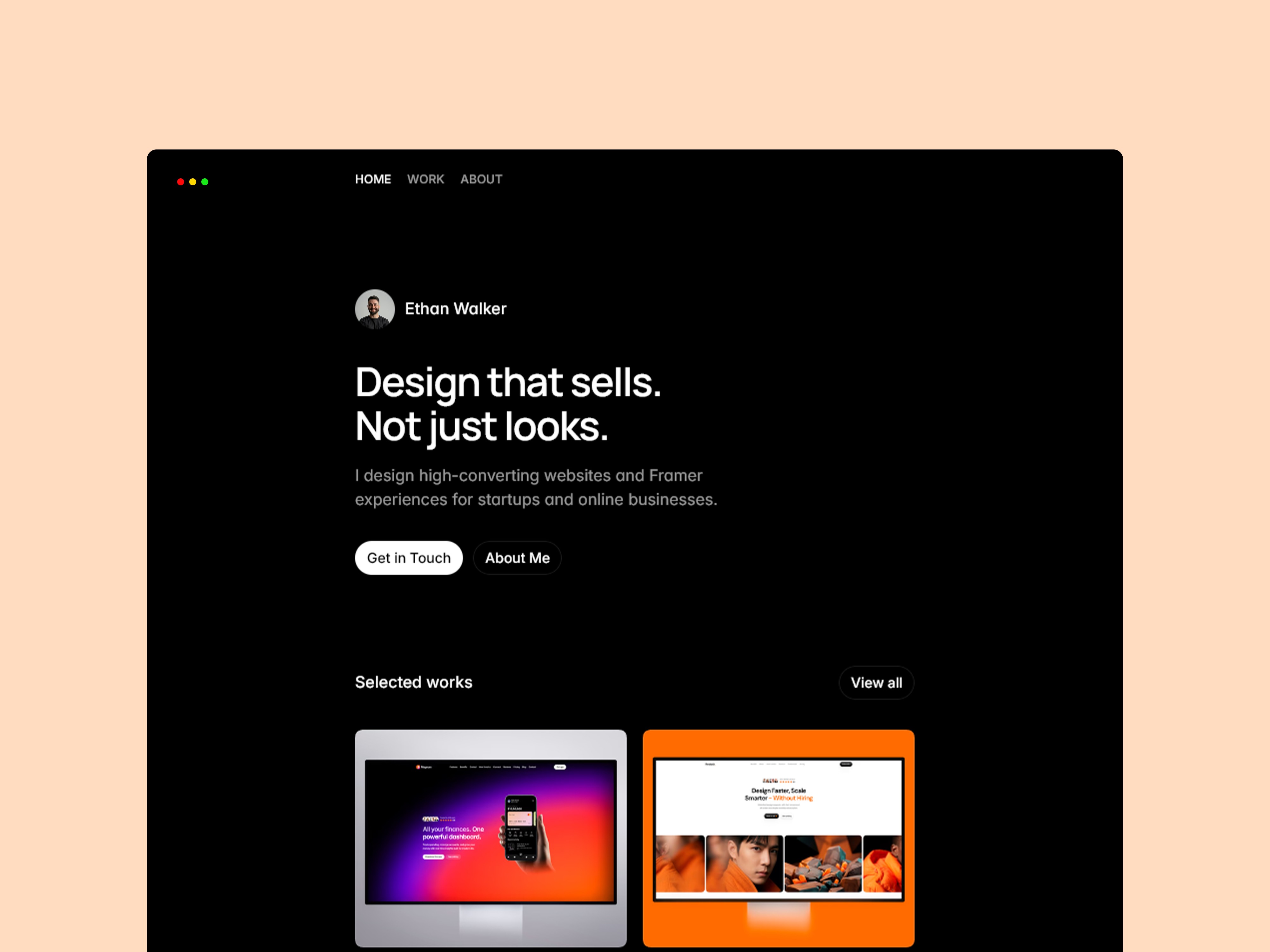
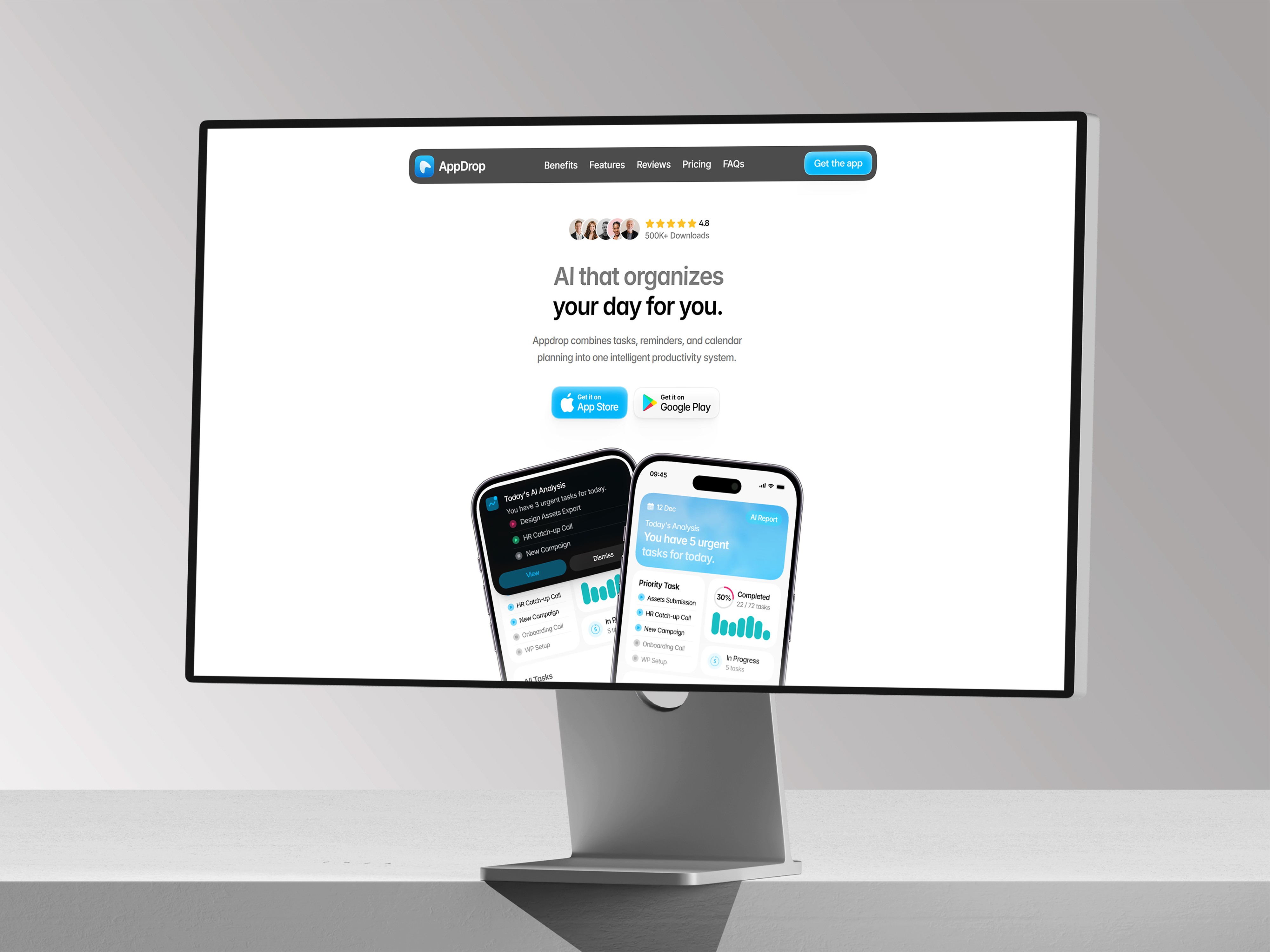
Your About Page Is Doing More Selling Than You Think
It's one of the most visited pages on most sites, and one of the most neglected. Here's how to fix that.


People click About because they’re deciding whether to trust you
The About page is one of the most consistently visited pages on almost any website, and one of the most consistently under-built. It gets treated as an obligation — a paragraph of history and a team photo — when it’s actually one of the last stops someone makes before deciding whether they trust you enough to buy, sign up, or reach out.
Lead with why you exist, not when you were founded
“Founded in 2019” tells a visitor nothing about whether they should care. A short story about the problem you saw and why it bothered you enough to build a solution gives them something to actually relate to. Facts belong further down; the reason you exist belongs at the top.
Show real people, even if it’s just you
A generic stock photo of smiling strangers undermines the entire point of an About page, which is to make your business feel like it’s run by actual people. A real photo, even an imperfect one, does more for trust than a polished fake ever will. If you’re a solo founder, that’s a story worth telling directly, not hiding behind a vague “our team.”
Include the details that build quiet credibility
Relevant experience, notable clients you’ve worked with, a meaningful number of customers served, press mentions — these don’t need to dominate the page, but placed thoughtfully they answer the unspoken question of whether you actually know what you’re doing.
End with a next step, not a dead end
Someone who reads your whole About page is engaged. Don’t let that engagement fizzle out with nothing to do next. A link to your work, your product, or a simple way to get in touch keeps the momentum going instead of leaving an interested visitor stranded with nowhere obvious to click.
Write it like you’re talking to one person, not a market
Corporate, third-person About pages read as distant. First-person, direct writing — “I started this because…” or “we built this after…” — feels like an actual person talking, which is exactly the tone this page benefits from most.